Skip to content
Arizona Vignettes
Menu

A gambling magazine for adults · 18+

Casino games, poker and betting, one clear scene at a time

Each vignette takes a single game, rule or price and looks at it closely: how it works, what it costs you and where the risks sit. For readers aged 18 and over. No tips, no rankings, no promises.

Casino, slot machine and gambling

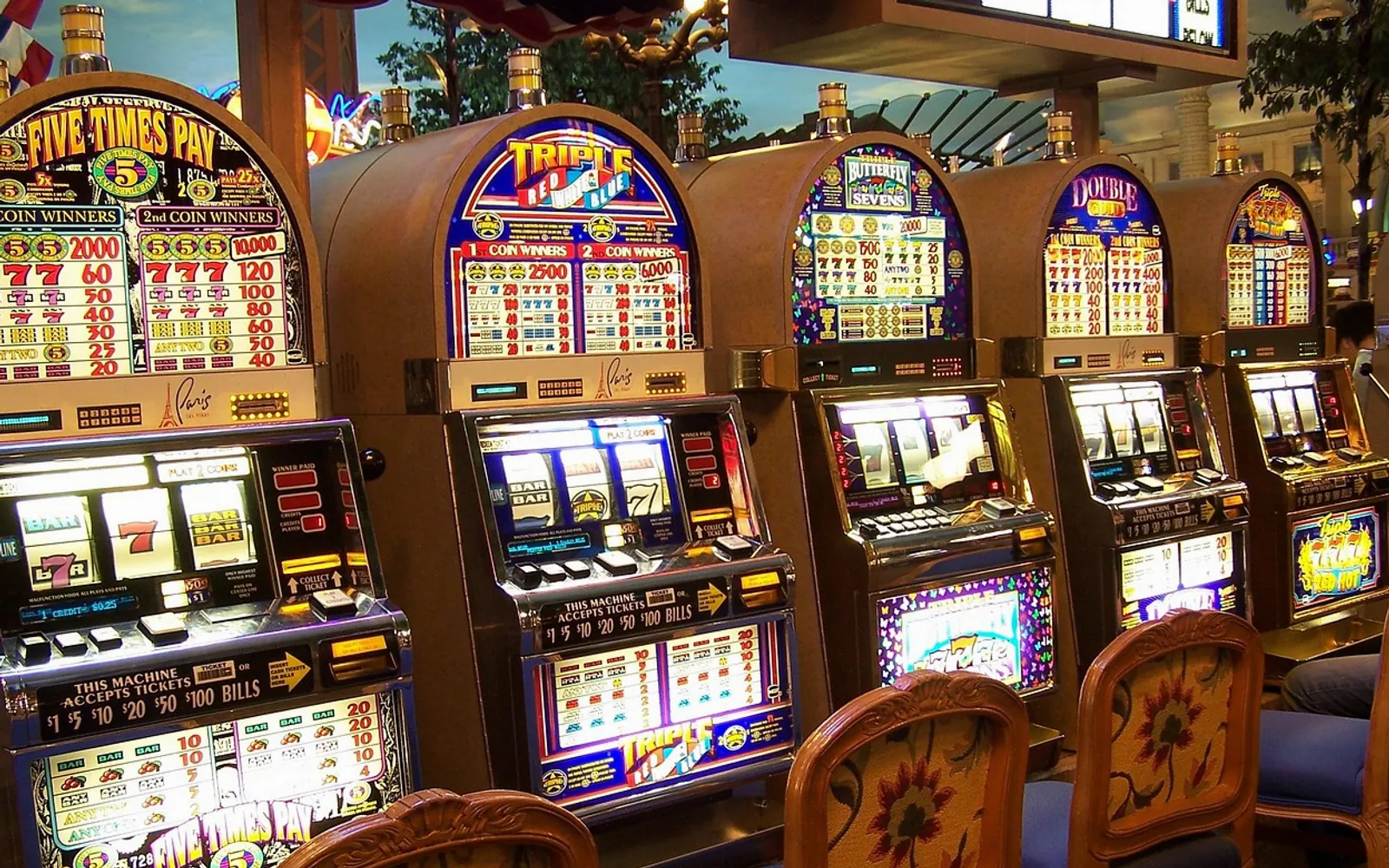
For many adults, a few minutes of online slots is a way to switch off, in the same way others might pick up a puzzle book or put on a favourite playlist. The difference is that slots involve real money, and an unplanned session can drift on longer and cost more than intended. Building a deliberate routine around play keeps the relaxing part and removes most of the surprises. Here is one way to structure it, from the moment you think about playing to the moment you log off.

Decide why you are playing

A routine starts with intention. Before opening any app, ask yourself what you want from the session. A short wind-down after work? A slightly longer weekend treat? If the honest answer is "to win back yesterday's losses" or "because I am stressed about money", today is not a day to play. Slots are entertainment with a built-in cost, and the routine only works if it is treated that way.

Set the scene

A calm environment helps you stay present and notice how the session is going. Find a comfortable seat, silence notifications and close other tabs so you are not juggling distractions. Some players like quiet music in the background. Pick a licensed operator that is legal where you live and that offers a range of themes; lobbies such as aw8 slot carry many styles, which makes it easy to choose a game that matches your mood rather than whatever happens to be promoted that day.

Choose your game before you start rather than hopping between titles. Lower-volatility games, which pay small amounts more often, tend to suit a relaxing session better than high-volatility games with long silent stretches.

Fix your limits before the first spin

The heart of a good routine is a pair of limits set in advance: one for time, one for money. Write them down if that helps them feel real. Then let the casino's own tools hold you to them.

ToolWhat it doesWhy it helps a routine
Deposit limitCaps how much can be added in a periodStops a relaxing evening turning expensive
Session reminderShows how long you have been playingKeeps track of time that otherwise disappears
Loss limitEnds play after a set amount is lostRemoves the temptation to keep going
Cool-off or time-outLocks the account for a short periodGives a pause when you need one
Self-exclusionBlocks access for a longer termA firm reset if play stops being healthy

During the session

Keep stakes small enough that the session lasts the time you planned. Notice how you feel every so often. If you catch yourself speeding up, raising your bet after a loss or feeling irritated, those are cues to stop, not to push on. Small wins are pleasant moments, not signs that a bigger one is coming; every spin is independent.

Closing the session well

End when the timer or budget says so, even if you are mid-feature or on a good run. A simple closing ritual helps: log off, note how much you spent and whether you enjoyed it, then do something unrelated. Over time, this record shows whether the routine is still doing its job. If slots start to feel necessary rather than enjoyable, or spending creeps above what you planned, take a longer break and consider talking to a support service.
The quiet cost of every bet

What the house keeps, game by game

House edge is the share of each stake a game is built to retain over a very long run. The roulette rows follow directly from the number of pockets on the wheel; the other rows are imaginary games we made up to show how a small payout cut becomes an edge.

  • Imaginary coin toss paying 0.95 to 12.5%
    Made-up example: a fair toss would pay 1 to 1, and the missing 0.05 is the edge.
  • Roulette, single-zero wheel2.7%
    One green pocket among 37; a straight-up bet pays 35 to 1 instead of 36 to 1.
  • Imaginary suit bet on a 54-card deck3.7%
    Made-up example: two jokers added to the pack, 3 to 1 paid on the chosen suit.
  • Roulette, double-zero wheel5.26%
    Two green pockets among 38, with the same payouts as the single-zero wheel.

These are averages over an enormous number of bets. A single evening can swing either way, but no staking plan moves the edge in your favour.

Newest vignettes

  1. Poker4 min

    Poker Bankroll Management: Buy-Ins, Swings and When to Step Down

    A poker bankroll is money set aside for poker alone. How to measure it in buy-ins, why swings need a cushion and how to set rules for stepping down before a bad run hurts.

  2. Poker4 min

    What Is Rake in Poker? How the House Earns From Player Games

    In poker you play against other people, not the house, so the house charges a fee instead. How rake is collected in cash games and tournaments and what it means for your results.

  3. Poker4 min

    ICM in Poker: Why Tournament Chips Are Not the Same as Cash

    The Independent Chip Model converts tournament stacks into a share of the prize pool. Why chips you win are worth less than chips you lose, with a worked three-player example.

  4. Poker4 min

    Cash Games vs Poker Tournaments: How the Two Formats Differ

    In a cash game the chips are money and you can leave at any time. In a tournament you pay once, the blinds climb and only the top finishers are paid. The differences side by side.

  5. Poker4 min

    Poker Tells: What Players Give Away at the Table and Online

    Tells are clues, not proof. The common physical, verbal and timing tells in live and online poker, why baselines matter and how to keep your own play quiet.

  6. Poker4 min

    Semi-Bluff Poker Basics: Betting a Draw With Two Ways to Win

    A semi-bluff wins if your opponent folds and can still win if they call and your draw arrives. How fold equity and card equity combine, with the odds for common draws.

  7. Poker4 min

    How to Bluff in Poker: When a Bet Can Win Without the Best Hand

    A bluff is a bet that wins only if the other player folds. When bluffing in poker makes sense, how bet size changes the maths, and who to leave alone.

  8. Poker4 min

    What Is a 3-Bet in Poker? Re-Raising Before the Flop

    The big blind counts as the first bet, the opening raise as the second, and the first re-raise as the third. What a 3-bet is, why players make one and how to answer it.

  9. Poker4 min

    Poker Starting Hand Chart: Which Hands to Play, and From Where

    There are 169 different starting hands in Hold'em, and most of them belong in the muck. A chart grouped by strength and seat, plus how to read range notation.

  10. Poker5 min

    Poker Positions Explained: From Under the Gun to the Button

    Where you sit decides how much you know when it is your turn. A seat-by-seat guide to poker table positions, from the blinds round to the button.

Price check

What is that price really saying?

Enter any decimal price to see it written as fractional and American odds, along with the probability the price implies. Try a round number such as 2.50 first.

As a fraction: –

Moneyline: –

Chance the price implies: –

Implied probability is the break-even point, not a forecast. Add up every outcome in a market and you will usually pass 100%; the surplus is the bookmaker's cut.

A good article about gambling should leave you understanding the game better, not wanting to play it more.

The test every Arizona Vignettes piece has to pass. See how we work

Browse the tables

Before the first spin

Put a price on the evening

Pick the amount you are happy to spend on entertainment tonight and how long you mean to play. The planner turns that into an hourly figure, so you can tell at a glance when the night is over.

That works out per hour at: –

Call it a night after spending: –

Use only money already set aside for fun, never money meant for rent, bills or savings. Once it is gone, stop for the day rather than adding more.

Play for the scene, not the score

Gambling is a paid pastime for adults. It is never a source of income, and it cannot fix a money problem.

  • Fix your budget before you open a game
  • Use the deposit and session limits on your account
  • Let a losing night end where it is
  • If gambling stops being fun, take a break and talk to someone

Read Gambling Responsibly